

Table of Contents
Securing lawful permanent residency through a Green Card provides peace of mind, long-term stability, and expanded opportunities in the United States. At Brown Immigration Law, our Tampa-based adjustment of status attorneys offer trusted guidance through this complex and evolving process.
What Is Adjustment of Status?
Adjustment of status allows certain eligible individuals already in the United States to apply for a Green Card without returning to their home country. This process provides a streamlined path to lawful permanent residency, though whether you qualify [BD1] depends on your initial immigration category and status.
Who Is Eligible for an Adjustment of Status?
To apply for adjustment of status, you must currently reside in the U.S. under lawful immigration status. Undocumented individuals are generally not eligible, although exceptions exist and should be reviewed with an experienced immigration attorney.
Eligibility depends on your current immigration status, such as:
- Family-based
- Employment-based
- Asylum-based
- Special classifications
Note: Each category has unique requirements and filing procedures which an experienced immigration attorney can help with.

Family Members
U.S. citizens and lawful permanent residents (green card holders) can sponsor certain close relatives for a green card. Some relatives qualify right away with no waiting line, while others fall into categories that have annual limits, which can create longer wait times.
Relatives With No Annual Quota (Visa Always Available)
These relatives are considered “immediate relatives,” which means there is no yearly cap and a green card is always available once the petition is approved.
U.S. citizens can sponsor:
- Spouses
- Unmarried children under age 21
- Parents (as long as the U.S. citizen is 21 or older)
Green card holders (LPRs) cannot sponsor parents.
Relatives Who Are Subject to Annual Quotas
These relatives fall into the family preference categories, which have a limited number of visas each year. Because of these limits, people in these categories usually experience a waiting period after the petition is filed.
U.S. citizens can sponsor:
- Unmarried children age 21 or older
- Married children (any age)
- Siblings (the U.S. citizen must be at least 21)
Green card holders (LPRs) can sponsor:
- Spouses
- Unmarried children under 21
- Unmarried sons and daughters age 21 or older
LPRs cannot sponsor married children or siblings.
Derivative applicants – typically spouses and children of the primary applicant – may also qualify to receive a green card through the same petition, depending on the category.
Additional eligible categories include:
- Fiancé(e)s of U.S. citizens, along with their unmarried children under 21
- Widows or widowers of U.S. citizens, as long as they were legally married at the time the U.S. citizen passed away and file within the required timeframe
Immigrant Workers
Certain workers in the U.S. may qualify for a green card based on their employment or special skills. Depending on the category, some applicants may self-petition, while others require a U.S. employer sponsor. Common eligible categories include:
- Individuals with exceptional or extraordinary ability in the sciences, arts, business, education, or athletics
- Outstanding researchers and professors
- Multinational executives and managers transferring from overseas branches or affiliates
- Professionals with advanced degrees, or individuals with a bachelor’s degree plus relevant experience
- Workers who qualify for a National Interest Waiver, allowing them to self-petition if their work benefits the U.S.
- Skilled workers, professionals, and certain unskilled workers
- Physicians who agree to work in designated underserved areas under specific programs
- Entrepreneurs who invest $1.05 million, or $800,000 in targeted employment or rural areas, in a commercial enterprise that will create at least 10 full-time jobs
Most employment-based green card categories require a U.S. employer to petition and sponsor the worker, while only a few categories allow individuals to file on their own without an employer.
Other Categories
Certain individuals may also qualify for a green card through special adjustment programs created by Congress or by international agreements. These categories have very specific requirements and may involve additional forms or evidence. Other potentially eligible groups include:
- Religious workers employed by a certified nonprofit religious organization
- Special Immigrant Juveniles requiring court-ordered protection due to abuse, neglect, or abandonment
- Afghan and Iraqi nationals who worked for or on behalf of the U.S. government
- International broadcasters
- Employees of certain international organizations or intergovernmental organizations like NATO, along with their immediate family members
- Refugees and individuals who have been granted asylum and have maintained that status for at least one year.
- Liberian nationals present in the U.S. since 2014 and are eligible under the Liberian Refugee Immigration Fairness program
- Diversity visa lottery winners
- Cuban nationals eligible under the Cuban Adjustment Act
- Certain dependents of Haitian refugees under HRIFA
- Vietnamese, Cambodian, and Laotian nationals who entered the United States on or before 1997 under specific humanitarian programs
- Children of foreign diplomats, who were born in the U.S. but did not acquire diplomatic immunity at birth
- Foreign diplomats who cannot return home due to persecution or political conditions
- Individuals who have lived continuously in the United States since January 1, 1972
These categories often involve complex rules and documentation. A Tampa adjustment of status lawyer from our legal team can help clarify your eligibility.

Exceptions to the Rule for Adjustment of Status
Certain humanitarian and deferred action programs allow eligible individuals to adjust status outside of the typical categories. These programs have unique eligibility requirements and may allow people to self-petition or adjust status despite prior immigration issues.
- VAWA (Violence Against Women Act): Allows certain abused spouses, children, and parents of U.S. citizens or lawful permanent residents to self-petition and apply for a green card without the abuser’s involvement.
- U Visa Holders: Victims of certain crimes who have cooperated with law enforcement may apply for a green card after three years in U visa status and meeting other requirements.
- DACA Recipients: While DACA does not by itself create a path to a green card, and the program’s long-term future remains uncertain due to ongoing legal and policy challenges, some DACA recipients may still become eligible for adjustment through:
- Adjustment of status after a lawful entry, including entry obtained through advance parole,
- Sponsorship by a qualifying family member, or
- Eligibility under another humanitarian program.
If you’re currently protected under one of these programs, our attorneys can help you understand whether you qualify for adjustment of status and what steps to take next.
Consular Processing and Change of Status
Individuals who are outside the United States do not apply for adjustment of status. Instead, they must complete consular processing, which includes submitting documents through the National Visa Center (NVC) and attending a visa interview at a U.S. embassy or consulate in their home country.
For those already inside the United States on a valid nonimmigrant visa, it may be possible to change status to another visa category without leaving the country. However, this process can be complex. Depending on your current status, travel history, and timing, there may be risks related to overstaying, accruing unlawful presence, or violating the terms of your existing visa.
These processes are not always straightforward. Depending on your current status, there may be risks of overstaying or losing lawful presence. Our team can assist you with a careful, compliant transition.
How to Apply for Adjustment of Status in Tampa
Unless you are eligible to self-petition, your sponsor must file an immigrant petition with U.S. Citizenship and Immigration Services (USCIS). Once the petition is approved, you may submit your adjustment of status application. In many categories, USCIS allows concurrent filing of both, meaning the immigrant petition and adjustment application can be filed together.
Applicants typically attend two appointments:
- A biometric appointment to collect fingerprints, photos, and a signature
- An in-person interview with a USCIS officer to review your application and verify your eligibility.
Following your interview, USCIS will issue a written decision on your application.
What Happens During the Green Card Interview?
The Green Card interview is designed to gather the information needed to process your application and confirm that you qualify for lawful permanent residence. During the interview, USCIS typically reviews:
- Documents that support your application
- Confirmation of information that your sponsor provided
- Your responses to questions specific to the immigration category you are applying under
Interview questions vary from person to person. Our Tampa adjustment of status attorneys will help you prepare so you understand what to expect.
What Happens Once the Adjustment Is Approved?
If USCIS approves your application, you will receive a written approval notice, followed by your physical Green Card. In some instances, USCIS may place a temporary I-551 stamp in your passport to prove lawful permanent residence while you wait for the physical card.
What Happens if USCIS Issues an RFE or Denies Your Adjustment Application?
Many cases receive a Request for Evidence (RFE) or a Notice of Intent to Deny (NOID) before USCIS makes a final decision. These notices do not mean your case is lost; they simply mean USCIS needs more information or clarification. Our attorneys can help you respond promptly and thoroughly to strengthen your case.
If USCIS ultimately denies your application, you still have options. Depending on your situation, you may be able to:
- File an appeal
- Submit a motion to reconsider (if USCIS applied the law incorrectly)
- Submit a motion to reopen (if new evidence or changed circumstances support your eligibility)
- Explore another available pathway to lawful status if you qualify.
A Tampa adjustment of status lawyer from Brown Immigration Law can evaluate the decision and explain your options for moving forward.[BD3]
Why Work With a Tampa Adjustment of Status Attorney?
Working with an experienced Tampa immigration attorney is more important than ever. Immigration law is constantly changing, and enforcement priorities shift frequently. Our team stays current with these developments and ensures your application meets all legal requirements.
We will:
- Advise you on your eligibility
- Serve as your point of contact with USCIS
- Prepare and file your application accurately
- Respond to any requests for additional evidence
Contact us today to learn how we can help with your immigration matter.


Do You Have an Adjustment of Status Lawyer Near Me?
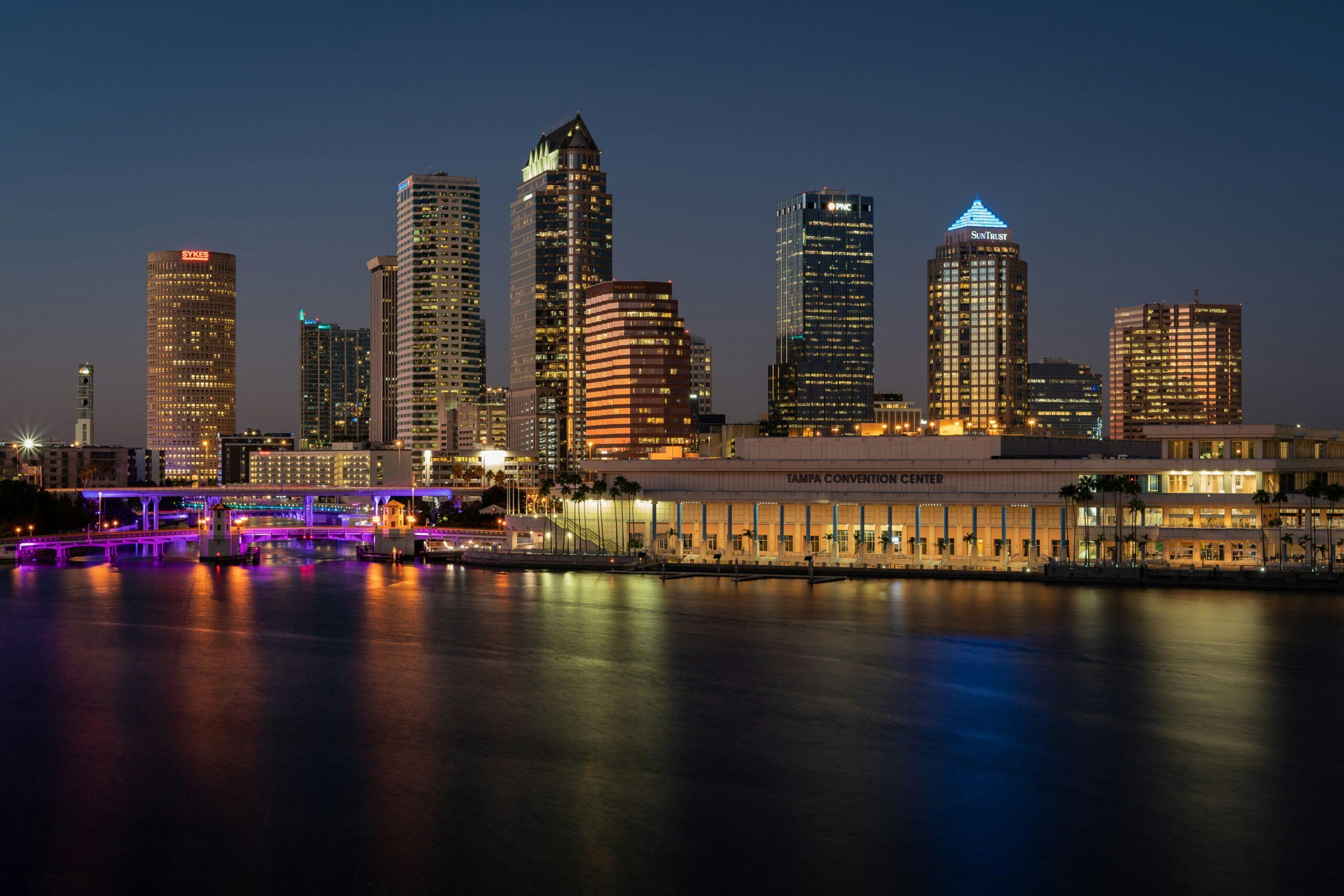
Brown Immigration Law’s Tampa office is located at 400 N. Ashley Drive, Suite 1900, near the start of the Tampa Riverwalk. A public parking garage is nearby, and a bus stop is located directly across the street. We also serve clients from our offices in Orlando, Durham, NC, Columbus, OH, and Cleveland, OH, for your convenience.
Contact Our Tampa Immigration Attorneys for Help with Your Adjustment of Status Application
The adjustment of status process can be complex and detail-driven. Our Tampa-based attorneys guide you through every stage, from preparing your application to attending interviews, so you don’t have to manage it alone. Contact Brown Immigration Law today to learn how we support immigrants and their families in seeking lawful permanent residency in the United States.