
Table of Contents
Meeting I-9 compliance is a legal and business obligation for all U.S. employers. Enforcement is increasing nationwide, with Florida in particular tightening requirements through E-Verify. Mandatory participation in E-Verify is a new element for employer immigration compliance. Failure to comply can result in serious penalties for both your business, as well as your employees.
Florida’s I-9 and E-Verify Requirements: What Employers Need to Know
E-Verify in Florida is a new requirement that supplements federal guidelines. Private Florida employers now have an additional step that they must follow in order to hire employees. Importantly, while E-Verify is designed with U.S. Citizenship and Immigration Services (USCIS) compliance in mind, all new hires, including U.S. citizens, must be processed through E-Verify.
What Is E-Verify?
E-Verify is an online system run by the Department of Homeland Security (DHS). E-Verify matches data from I-9s with information from DHS as well as the Social Security Administration. It is free to use for all employers in the U.S. and is designed to confirm employment eligibility. Federal contractors have been required to use E-Verify since 2009 under both a presidential executive order and the Federal Acquisition Regulation (FAR).
While E-Verify has existed since the 1990s as a federal database, Florida has only recently required private employers to also use the system. Voluntary usage has always been available in Florida. E-Verify has previously been required for all public employers, contractors, and subcontractors throughout the state since 2021.
Florida I-9 Requirements
Florida I-9 requirements mirror federal law. Your employee must be able to present acceptable documents that prove their identity as well as employment authorization for work in the U.S. Both employers and employees must provide documentation for an I-9. Additionally, the employer must retain records for at least three years that show compliance with federal I-9 laws under Senate Bill 1718.
Florida E-Verify Requirements
Beginning July 1, 2023, pursuant to section 448.095, Florida Statutes, all Florida private employers with over 25 workers are required to use the E-Verify online system. E-Verify must be used to confirm an employee’s eligibility to work in the U.S. within 3 business days of their start date. This does not replace the I-9 system but instead adds another layer of compliance. Employees must provide their name, address, date of birth, and social security number to partake in E-Verify.
In the event that E-Verify is not available within the first three days of an employee’s start date, employers must take daily screenshots or otherwise prove the system’s inaccessibility and keep records of that system outage for at least three years.
Florida businesses must also include certification of E-Verify on returns each calendar year of the Re-Employment Tax Return. Employers that voluntarily use E-Verify can also certify compliance on the first return of each calendar year.
Who Needs to Use E-Verify in Florida?
All Florida private employers with more than 25 employees are now subject to E-Verify laws in the state. Businesses that perform services in Florida must also meet E-Verify requirements, even if they are not headquartered in the state. This means that multi-state businesses, contractors, or franchises should consult with Florida immigration attorneys to ensure that their Florida locations are in compliance with the E-Verify law.
Businesses with fewer than 25 employees do not need to use E-Verify in Florida. Independent contractors, as well as labor performed in private households, are also exempt from E-Verify in Florida.
The Cost of Noncompliance for Florida Employers
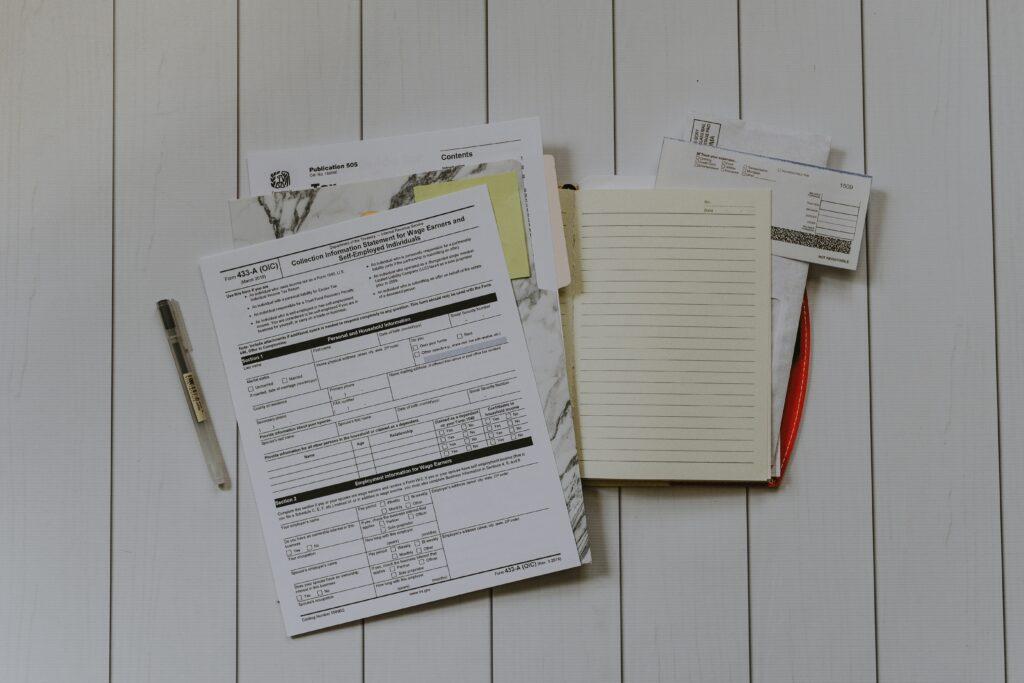
Immigration compliance can be expensive, but noncompliance is even more so. Fines from U.S. Immigration and Customs Enforcement (ICE) for employers who fail to comply with I-9 and E-Verify requirements may be subject to fines ranging from $288 to $28,619. Rates vary depending on first offense, good faith of the employer, size of the business, and various other factors. However, in some cases, criminal prosecution is also possible.
ICE audits and investigations are an ongoing risk for Florida employers. Rates of ICE inspections and raids in Florida are sharply rising under the Trump administration. For instance, in May 2025, “Operation Tidal Wave” led to the largest number of ICE arrests in a single week in state history.
However, the new step of E-Verify has added another hurdle for private Florida employers. The fines for noncompliance with E-Verify are steep, starting at $1,000 per day until the issue has been corrected. Businesses may also lose government contracts as well as be subject to licensure forfeit, loss of franchise, permit, certification, registration, charter, or similar form of authorization required by law, in some cases. Contractors are also held liable for additional costs incurred by a public agency if a contract is terminated due to lack of compliance with E-Verify.
Managing Risk Through Proactive Immigration Compliance
Self-audits and legal reviews are the best protection before ICE comes knocking. Some examples of employment immigration risk management include:
- Conducting regular internal I-9 reviews
- Creating consistent onboarding procedures
- Training HR staff in immigration compliance policies
- Implementing strong recordkeeping and documentation practices
- Investing in cybersecurity and data protection so that no backups of files are lost or corrupted.
Furthermore, business immigration law is complex and frequently updated, especially in the state of Florida. Staying current requires active management and an eye for detail. Your business may benefit from outside counsel on immigration-specific compliance and guidance through these recent policy shifts. Brown Immigration Law is available to assist Florida employers. Our firm can help you manage risk as well as detect and resolve issues in advance of an ICE inspection.
Get Help Protecting Your Business
In Florida, both I-9 and E-Verify compliance is necessary to protect employers from costly fines and legal exposure. Tampa and Florida employers should consider conducting an internal review to ensure that hiring practices are up to date with both state and federal guidelines. If you need a Florida immigration compliance review or a consultation, contact Brown Immigration Law for assistance today.